Do I Really Need A Separate Insurance Policy For My Rental Property?

Rental Property - What Is It?

Let’s start with what is typically considered a rental property.


If you purchase a property as an investment, and do not intend to occupy it at any time, but rather, intend to have someone else occupy it on either a full or part-time basis, for a fee, then this would be considered a rental property.


A homeowner property, on the other hand, is one that you occupy on either a full or part-time basis, i.e., it’s either your primary or secondary (or seasonal) home.


If you did not purchase your property exclusively as an investment, but primarily for your personal use, then notwithstanding the fact that you may occasionally rent it out, it would generally not be considered a rental property.

What Type Of Insurance Is Required?

Once you have a formal lease agreement in place, signed by you and your tenant, your property no longer qualifies for a standard homeowners policy.


Homeowners insurance is designed and intended for individuals who actually occupy the dwelling, either as a primary or secondary residence.


A standard homeowners policy has a “where you reside” clause, which mandates that the property actually be one in which you reside.


It is primarily for this reason, and others, that dwellings purchased as investment rental properties need insurance coverage specifically designed for rental properties.

Rental Property Insurance

Rental property insurance, also known as landlord insurance, is designed specifically for dwellings purchased exclusively as investment rental properties.


In additional to not including the typical “where you reside” clause that’s part of a standard homeowners policy, rental property insurance provides coverages that a standard homeowners policy does not.


These coverages include protection against lost rental income in the event extensive damage or repairs to the dwelling require the tenant to move out for a period of time. 


Rental property insurance also includes liability protection for any claims that may arise from rental activities.

Habitational Insurance

Depending on the type of rental property you own, you may need more than a typical rental property policy. You may need what is referred to as Habitational insurance.


This type of insurance is designed to provide protection to investors of commercial residential properties, including apartment buildings, condominiums, and other multi-unit dwellings.


While conceptually habitational insurance is the same as rental property insurance, it is more comprehensive in nature to meet the needs of the commercial rental property investor, vs. the individual who may invest in only one or two rental properties.

Conclusion

No matter what type of real estate investor you might be, you will need special insurance coverage designed specifically for your investment properties.


If your local insurance agent is not well versed on the nuances of real estate investment properties, then look for an agent, like BR Risk Group™ Specialty Insurance, that specializes in real estate investment properties, including rental properties.


****This article is intended for informational/educational purposes only. It is not meant as, nor should it be interpreted as, actual investment advise regarding real estate investing of any kind, including rental property investing*****
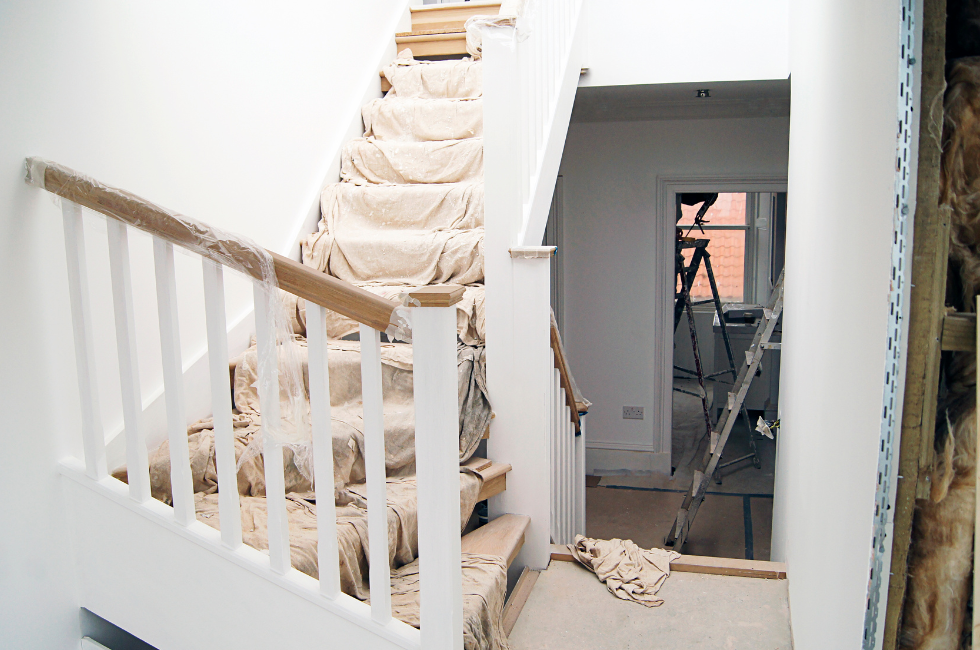



Increase Rental Property ROI Through Strategic Remodeling

Whether you’re a seasoned investor or just starting out, you can look to increase rental property ROI through strategic remodeling.


Not only does a renovation or remodel increase the value of your rental property investment, it can also help you attract and retain renters more quickly, thereby increasing your cash flow.


And if your primary investment strategy is the BRRRR method (Buy, Renovate, Rent, Refinance, Repeat), then renovating rental property is simply part of the overall equation.


Let’s take a look at some areas to focus on regarding rental property renovations that will help maximize your ROI.

Kitchens

Increase rental property ROI through strategic remodeling

One of the most cost-effective ways an investor in rental properties can increase their ROI is by renovating an outdated kitchen.


A great kitchen starts with the basics: cabinets, appliances, countertops and flooring.   Make sure these are in good condition before investing in replacements.


For the appliances, you want good quality with a good warranty, but don’t over to it with high-end.


These will rarely help increase the overall value of your rental property.

Bathrooms

Increase rental property ROI through strategic remodelin

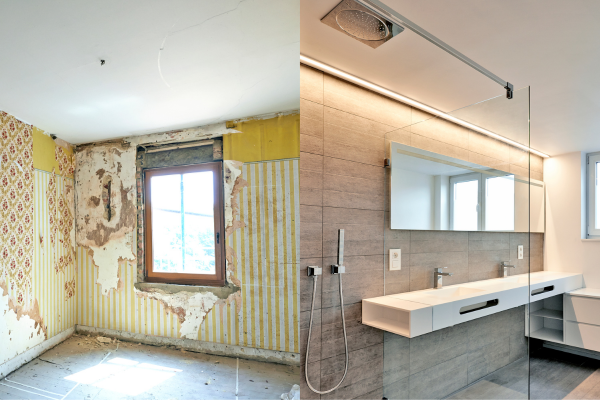
As with kitchen remodels, you can increase rental property ROI by renovating an outdated bathroom. 


By swapping out old fixtures with new ones, for example, you can give the bathroom a fresh look without spending too much money.  


Like kitchen renovations, however, don’t overdo it with a bathroom remodel.  


Be sure to invest in good quality fixtures, but shy away from high-end items, like a high-end shower/glass door unit, for example, as these types of items will not help increase your ROI.

Fresh Paint & New Flooring

Increase rental property ROI through strategic remodeling

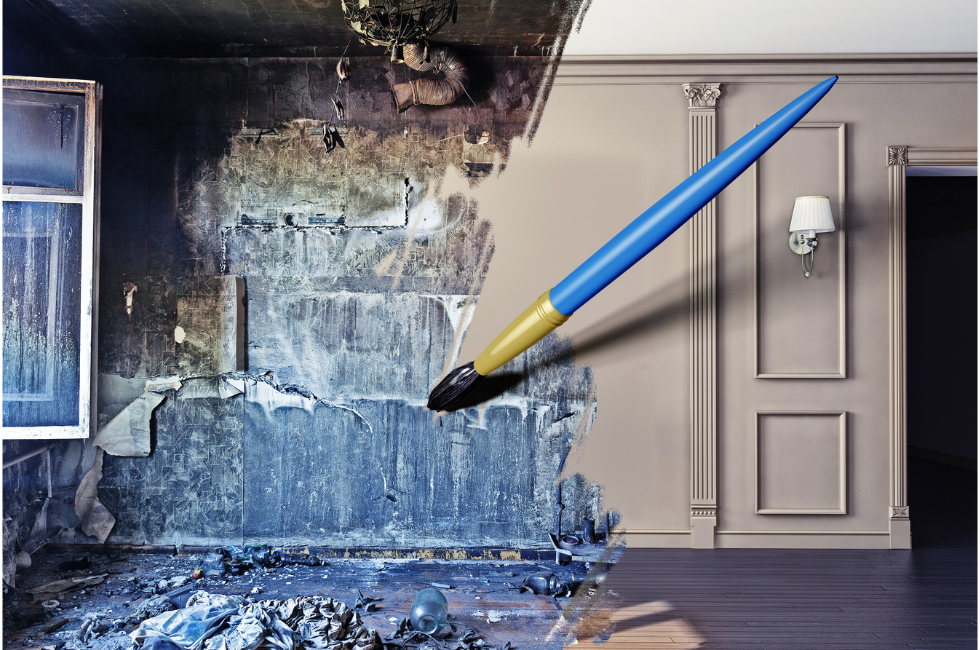
Repainting the walls and either refinishing an existing floor or installing a new one are simple, cost effective ways of helping to improve the ROI of your rental property.


A fresh coat of paint can make an immense difference in how the property looks and feels.   And by replacing or refinishing old or worn out floors, you can give your rental property a modern look that will help attract renters.


Be sure to invest in materials that will last and will not have to be replaced every couple of years, but don’t over do it from a cost perspective.to

Conclusion

Strategically renovating your rental property, by focusing on the kitchen, bathroom(s), and fresh paint and flooring, will help increase the ROI of your property.


And while it’s important to invest in higher quality items when considering any rental property renovation, don’t opt for high-end items, as these will not increase your rental property’s ROI.


In the end, you want to make improvements which are attractive and durable, and which will attract good tenants that actually want to live in your properties, without overdoing it from a cost perspective.


This leads to less vacancy time and higher rents, and ultimately higher cash flow in the long run.


When To Purchase Insurance for a Fix & Flip Investment

Real estate investments can be quite lucrative, but they come with a whole slew of risks that require proper planning – especially when to purchase insurance for a fix & flip investment.


One important part of the equation is purchasing insurance for the property you’re flipping before you begin work on it.   But when is the best time to buy protection for your fix and flip project?


In this article post we’ll review why timing is important for getting the right insurance coverage in place for your fix and flip real estate investment. 

Why Do I Need Insurance?

Build your real estate investing "A" team

When you’re flipping a real estate investment, insurance is an essential part of the process.  This is true whether you’ve secured funding for your project or you’re an all-cash investor.


If you suffer a loss due a fire, for example, during the renovation, then you won’t just be out the initial money you spent on the property itself.  You’ll also be out all of the additional funds you’ve sunk into the project up to that point.


That’s why it’s extremely important that your fix and flip investment is protected against potential damages or losses during the process of renovation. 

When Should I Buy Insurance?

When to purchase insurance for a fix & flip investment

So the question is, when is the right time to buy insurance for a fix and flip investment? 


Ideally, you want to purchase fix and flip insurance as soon as you close on the contract to buy the fix and flip property.


Again, this is important whether you secured funding for your project through a hard money lender, for example, or whether you paid cash for your property.


Purchasing insurance for your fix and flip project as soon as you close on the property will ensure that your investment is protected from the start.

What Insurance Coverage Should I Buy?

When to purchase insurance for a fix and flip investment

Again, it’s important that you purchase insurance coverage for your fix and flip project as soon as you buy the property.


This will help protect your newly purchased asset before you begin any renovations.


With respect to how much insurance coverage to purchase, that will depend on the type of property, the size of the property, it’s after repair value (“ARV”), and potentially other factors.


As far as which types of insurance to purchase for your fix and flip project, always be sure to secure both property and liability coverage.

Property Coverage

Property coverage helps protect the dwelling itself from direct physical damage due to fire, wind, and other natural disasters

Liability Coverage

Liability coverage is designed to help protect you and your fix and flip business from any potential legal issues that may result from someone getting hurt on your property during the renovation process.

Conclusion

When fix and flipping a real estate investment, purchasing insurance is an essential part of protecting your fix and flip project from potential damage or losses. Make sure you purchase fix and flip insurance as soon as you buy the property.


And if you don’t already work with an insurance professional as part of your fix and flip real estate investment team, then you should. Don’t try to DIY your insurance coverage.


You wouldn’t do electrical work on your project yourself, for example, if you didn’t know enough about electrical. You’d hire a professional electrician as part of your fix and flip team.


This is why it’s important to work closely with insurance professionals, like BR Risk Group™ Specialty Insurance, that specialize in providing insurance coverage solutions for fix and flip real estate investments.


What Is Lessor’s Risk Insurance and Why Do Landlords Need It?

Lessor’s risk insurance is a type of insurance coverage designed to protect commercial real estate investors who lease their properties to tenants.

As a landlord, you know that renting out your property can come with certain risks. From property damage to tenant lawsuits, there are many scenarios that could leave landlords facing financial losses.


That’s where lessor’s risk insurance comes in. By having lessor’s risk insurance in place, property owners can help protect themselves and their investments from these types of risks and liabilities.


In this article we’ll review a few of the reasons why lessor’s risk insurance is essential for commercial real estate investors who lease their properties to tenants.

What Is Lessor's Risk Insurance?

Lessor’s risk insurance is a type of commercial insurance policy designed to protect real estate investors who lease their property to tenants.


This types of insurance policy covers damages to the property and provides liability coverage to the landlord in case of accidents or injuries that occur on the rental property.
 
Lessor’s risk insurance policies typically cover the structure of the property itself, as well as any furnishings or appliances that the landlord provides.
 
In addition, depending on how the policy is structured by the insurance carrier, it may provide coverage for loss of rental income due to damages to the property, or due to the inability of the tenant to pay rent.

What Happens If I Don't Have Lessor's Risk Insurance?

Lessor’s risk insurance is essential for commercial property investors who lease their properties because it can provide protection against potential financial losses and legal liabilities that may arise from incidents that occur on the leased property.


For instance, if a tenant becomes injured on the property or if there is damage caused by a fire or natural disaster, the property owner could potentially be held liable for any resulting medical bills for legal fees.


These costs can be substantial and could potentially have a significant impact on your financial well-being.


Without property insurance coverage, you may have to pay these costs out of pocket, which can be financially devastating.

How Can Lessor's Risk Insurance Help Me Attract and Retain Tenants?

A potential side benefit of lessor’s risk insurance is that it can help landlords attract and retain quality tenants.


Many tenants seek out rental properties that are well-maintained and have insurance coverage in place to help protect them against unexpected events.


By having lessor’s risk insurance, landlords can demonstrate that they are committed to maintaining their properties and protecting their tenants in case of emergencies.


This can help attract responsible and reliable tenants who are more likely to pay rent on time and take good care of the rental property.

Conclusion

Lessor’s risk insurance is an important type of insurance for commercial property owners who lease their properties to tenants.


It can provide them with financial protection against a wide range of potential losses and can be customized to fit their individual needs.


By having lessor’s risk insurance in place, landlords can help protect themselves from unexpected events and maintain their rental properties over the long term.


Be sure to talk to an insurance professional that specializes in specialty insurance coverages, like lessor’s risk, to ensure you get the right insurance coverage protection for your specific needs.